Each book in this set, with the author and every on-air mention. Quotes stay as the transcript has them.
As an Amazon Associate I earn from qualifying purchases.
One book slides in, holds for 7 seconds, then the next. Swipe, or use the arrow buttons and the left and right keys. Open a card for the full quote and an audio clip. Without JavaScript, the same cards sit in a grid.
One book slides into place, holds for 7 seconds, then the next book slides in. It pauses while you hover, focus, or touch it, while a mention list is open, and while a card is expanded. The previous and next buttons, and the left and right arrow keys, move one book. On a touch screen, swipe sideways. If you prefer reduced motion, it does not advance on its own.
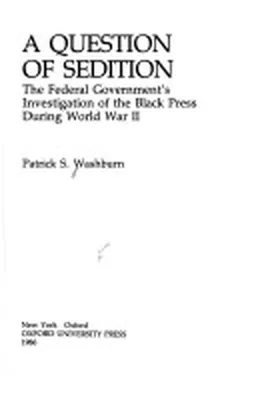
A Question of Sedition: The Federal Government's Investigation of the Black Press During World War IIPatrick S. Washburn
A new addition to Dave's nightstand about government pressure on the Black press during World War II. He called it quite a read.
Oh, it's called a question of sedition. It is a book. I think the subtitle is censorship of the black press during World War Two. Like it is. It is a read let me tell you
Oh, it's called a question of sedition. It is a book. I think the subtitle is censorship of the black press during World War Two. Like it is. It is a read let me tell you
Speaker-labeled
Not in the audio. Author (Patrick S. Washburn) and exact subtitle are from outside knowledge; not named on air.
I'm still in the middle of reading the book called a question of sedition, the government's investigation of the black press during World War Two, fantastic book
Speaker-labeled
Speaker-labeled
Not in the audio. Author (Patrick S. Washburn) and exact subtitle are from outside knowledge; not named on air.
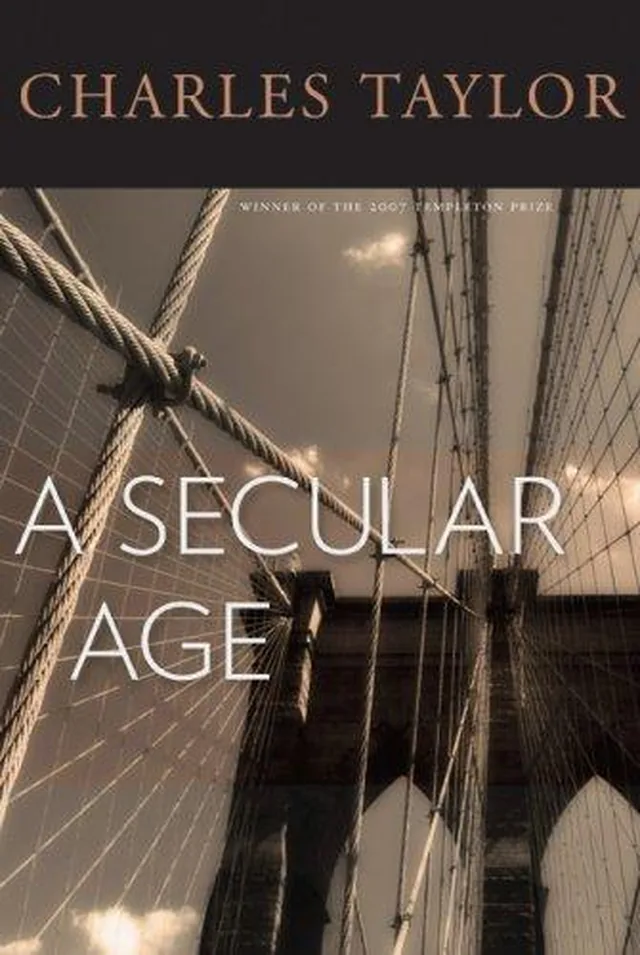
Dave returns to Charles Taylor's A Secular Age, which he's discussed before. Its repeated point is that every new social movement carries the seed of its own demise or reversal. He applies it to AI: it'll look unstoppable and change the world, and it will also eventually be replaced by something we don't yet understand.
the main points that he makes in there repeatedly is that Whenever you have a new social movement, That movement always contains the seed for its own demise or its own reversal, whatever word you choose to put there.
the main points that he makes in there repeatedly is that Whenever you have a new social movement, That movement always contains the seed for its own demise or its own reversal, whatever word you choose to put there.
Voice-matched
Not in the audio. The book title and author ('Charles Taylor', 'a secular age') are named in the preceding cues, which voice matching labeled Unknown, so who named them isn't confirmed. Dave says 'we've talked about this before' about Taylor.
read Secular Age, the Charles Taylor books. I finished Secular
Voice-matched
Voice-matched
Not in the audio. The book title and author ('Charles Taylor', 'a secular age') are named in the preceding cues, which voice matching labeled Unknown, so who named them isn't confirmed. Dave says 'we've talked about this before' about Taylor.
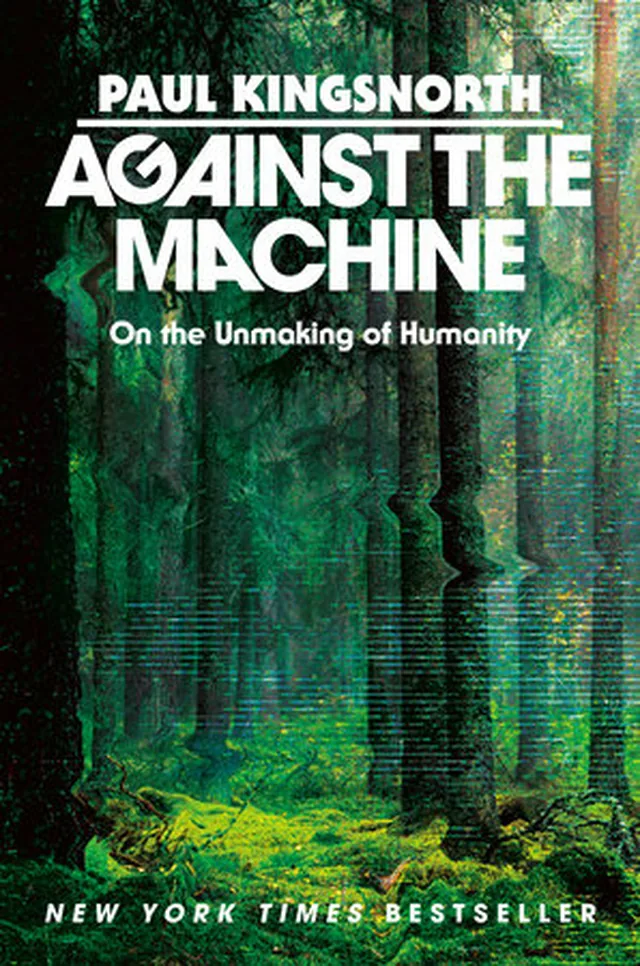
A book Dave had just started. He describes Kingsnorth as an Ireland-based writer who came out of radical environmentalism and became a Christian, and the book as a critique of modernism, industrialism and 'technologism' that feels fitting for the AI moment. He read a passage from it on air.
But anyway, so he just wrote a book called Against the Machine. And it's a book just about modernism, industrialism, technology, technologism, that kind of thing.
But anyway, so he just wrote a book called Against the Machine. And it's a book just about modernism, industrialism, technology, technologism, that kind of thing.
Voice-matched
Not in the audio. Dave calls Kingsnorth 'a Catholic brother'. Kingsnorth is publicly known as an Orthodox Christian convert, so the summary just says Christian. The author's name was confirmed from the preceding Dave cue ('Do you know a guy named Paul Kingsnorth?').
Voice-matched
Not in the audio. Dave calls Kingsnorth 'a Catholic brother'. Kingsnorth is publicly known as an Orthodox Christian convert, so the summary just says Christian. The author's name was confirmed from the preceding Dave cue ('Do you know a guy named Paul Kingsnorth?').
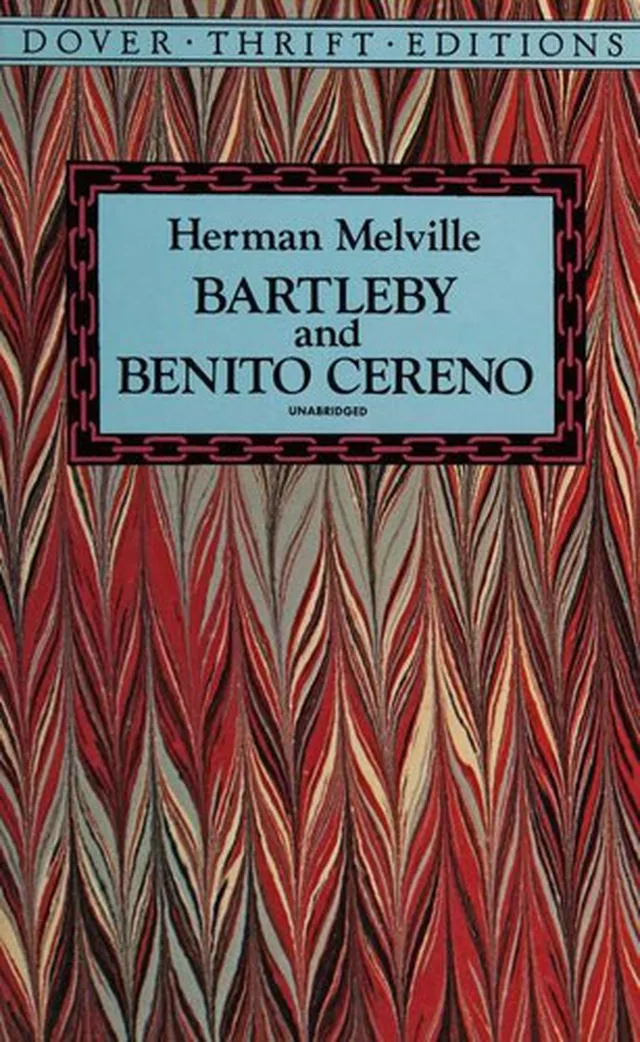
A short story Dave went through via an audio reading before hearing it discussed on America This Week. His takeaway on audiobooks is that the narrator is nearly the whole experience.
This week. They discussed the story Bartleby the Scrivener by Herman Melville.
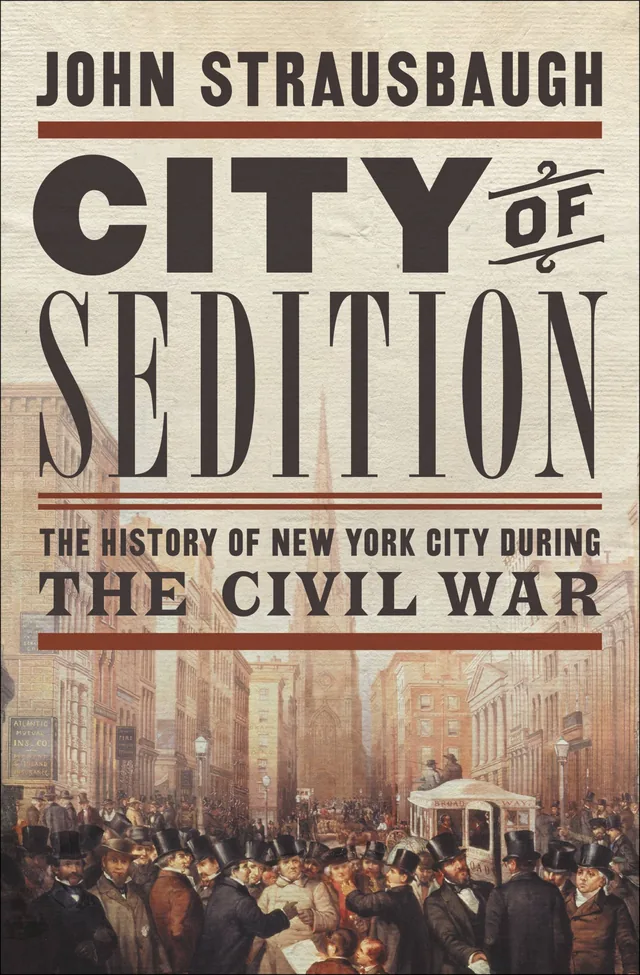
Making a New Year's resolution to finish his stack of half-read books, Dave singled out one he unequivocally recommends. City of Sedition, by a New York historian, shows how the Civil War tore New York's fabric in half: the city's money men depended on shipping and slavery and didn't want it to end.
there is one book that I would recommend. It is unequivocal it's called city of sedition. Okay. And it is a book by New York historian. And he's written a couple books before, but this one is fantastic.
there is one book that I would recommend. It is unequivocal it's called city of sedition. Okay. And it is a book by New York historian. And he's written a couple books before, but this one is fantastic.
Voice-matched
Not in the audio. Dave doesn't name the author on air; City of Sedition: The History of New York City during the Civil War is by John Strausbaugh.
Voice-matched
Not in the audio. Dave doesn't name the author on air; City of Sedition: The History of New York City during the Civil War is by John Strausbaugh.
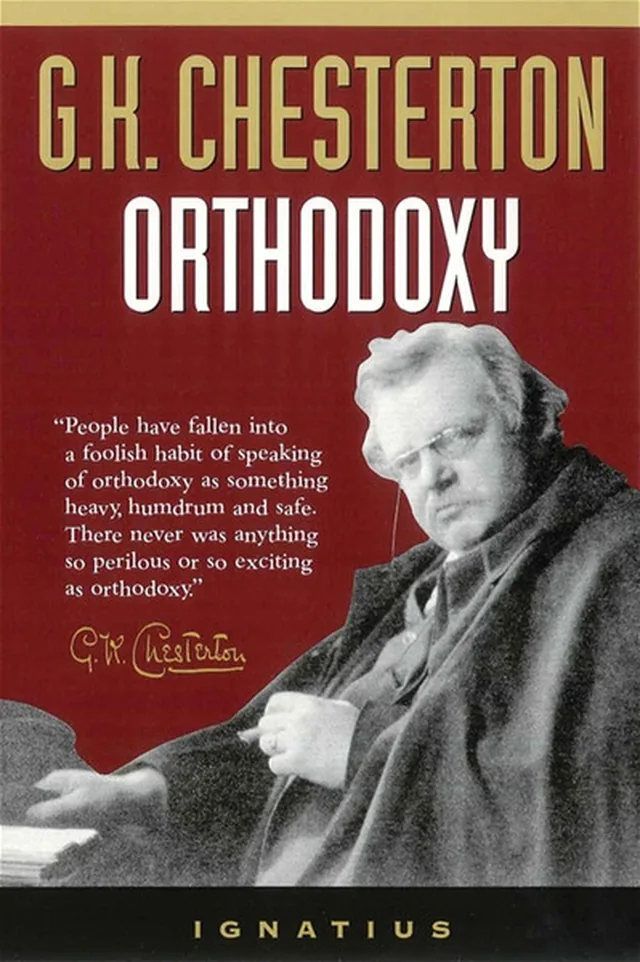
Dave was reading Heretics and borrowed Chesterton's line about George Moore being 'in a perpetual state of temporary honesty' to describe the podcast metrics industry.
I'm reading heretics right now. But GK Chesterton, it is talking about the Irish author George Moore, he used this phrase that Moore was in a perpetual state of temporary honesty. This is the this is the podcast metrics industry, a perpetual state of temporary honesty.
I'm reading heretics right now. But GK Chesterton, it is talking about the Irish author George Moore, he used this phrase that Moore was in a perpetual state of temporary honesty. This is the this is the podcast metrics industry, a perpetual state of temporary honesty.
what I'm reading right now is, uh, Don, uh, Dante's Inferno.
Voice-matched
Not in the audio. Dave names only 'Dante's Inferno'. The author's full name and the Divine Comedy framing come from general knowledge (the co-host says 'divine comedy' in an Unknown cue).
Voice-matched
Not in the audio. Dave names only 'Dante's Inferno'. The author's full name and the Divine Comedy framing come from general knowledge (the co-host says 'divine comedy' in an Unknown cue).
Dave called it fantastic and highly recommended. It's a history of the Plum Island lab, built from FOIA requests and declassified documents, showing how strict containment eroded over time.
been reading this book called. is fantastic book highly recommended called lab. 257.
been reading this book called. is fantastic book highly recommended called lab. 257.
Speaker-labeled
Not in the audio. Full subtitle and author (Michael Christopher Carroll) are from outside knowledge; Dave said only 'Lab 257' and described Plum Island.
Speaker-labeled
Not in the audio. Full subtitle and author (Michael Christopher Carroll) are from outside knowledge; Dave said only 'Lab 257' and described Plum Island.
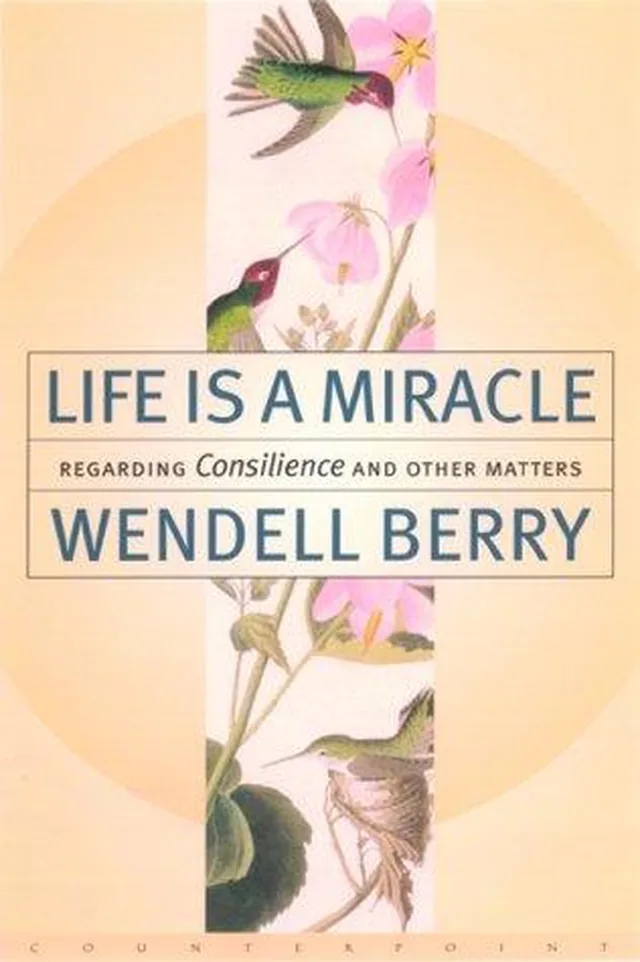
After Wendell Berry's death, Dave named the essay collection Life Is a Miracle as the Berry book he's read most over the past year. He calls Berry a true American philosopher and encourages anyone to get it. He then read Berry's passage on art: art that rises above competence sees each board as unique.
The book of his that I've been reading the most over the last year or so is... It's a collection of essays called Life is a Miracle. It's a wonderful book. He's just a true American philosopher. He's fantastic. I encourage anybody to get that book and read it.
The book of his that I've been reading the most over the last year or so is... It's a collection of essays called Life is a Miracle. It's a wonderful book. He's just a true American philosopher. He's fantastic. I encourage anybody to get that book and read it.
Voice-matched
Not in the audio. The first words of this Dave-labeled cue run ('but I can't. Can't pinpoint it.') look like Adam's reply that voice matching mislabeled, so the quote starts after them.
Voice-matched
Not in the audio. The first words of this Dave-labeled cue run ('but I can't. Can't pinpoint it.') look like Adam's reply that voice matching mislabeled, so the quote starts after them.
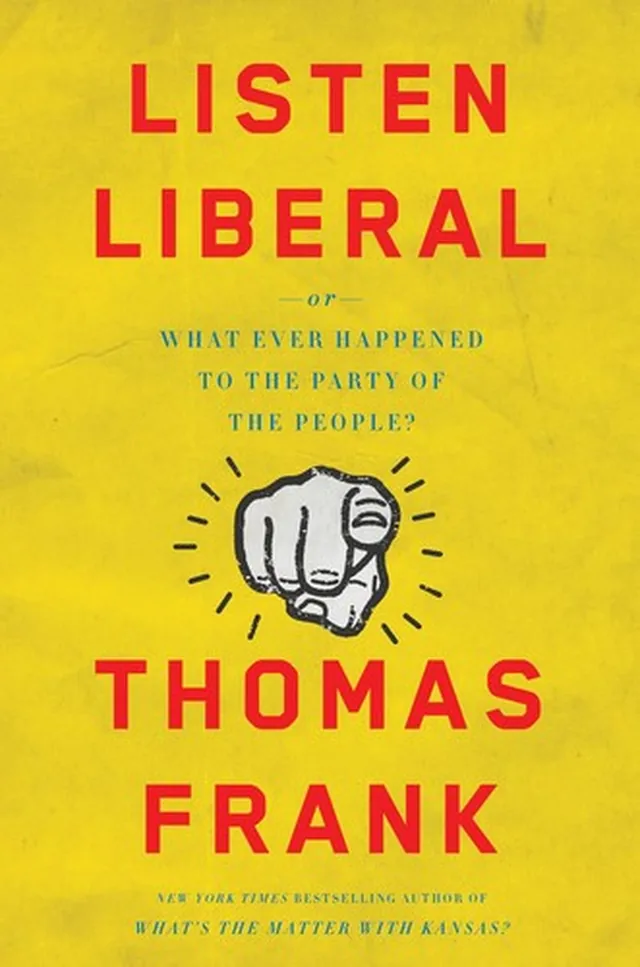
Dave called it a very good book on US political history: how the Democratic Party moved from FDR-style politics through the Clinton-era DLC. He also mentioned Frank's What's the Matter with Kansas?
it's interesting though, reading this book, it's very good. I don't know how I mean, it would probably be boring to people outside the US, but from a from a US sort of political history standpoint, it's very good.
it's interesting though, reading this book, it's very good. I don't know how I mean, it would probably be boring to people outside the US, but from a from a US sort of political history standpoint, it's very good.
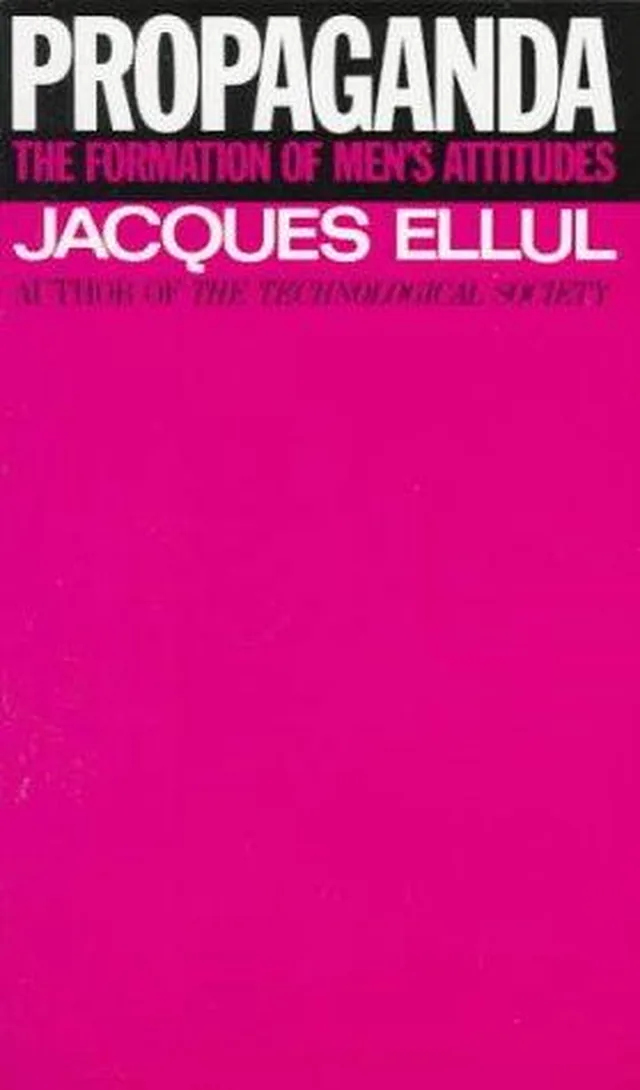
Dave boils down Ellul's book. Effective propaganda isn't about convincing anyone; it's about provoking action, and if you're building arguments you've already failed. He sees exactly that in TikTok and Instagram Reels: action, action, action.
that, if you boiled down Jacques Ellul's propaganda, if you boiled it down into a few different just bullet points, one of the main points that he makes very early in the
that, if you boiled down Jacques Ellul's propaganda, if you boiled it down into a few different just bullet points, one of the main points that he makes very early in the
Voice-matched
Not in the audio. Dave names the book only as 'Jacques Ellul's propaganda'. The full English title, Propaganda: The Formation of Men's Attitudes, comes from general knowledge, not the audio.
Voice-matched
Not in the audio. Dave names the book only as 'Jacques Ellul's propaganda'. The full English title, Propaganda: The Formation of Men's Attitudes, comes from general knowledge, not the audio.
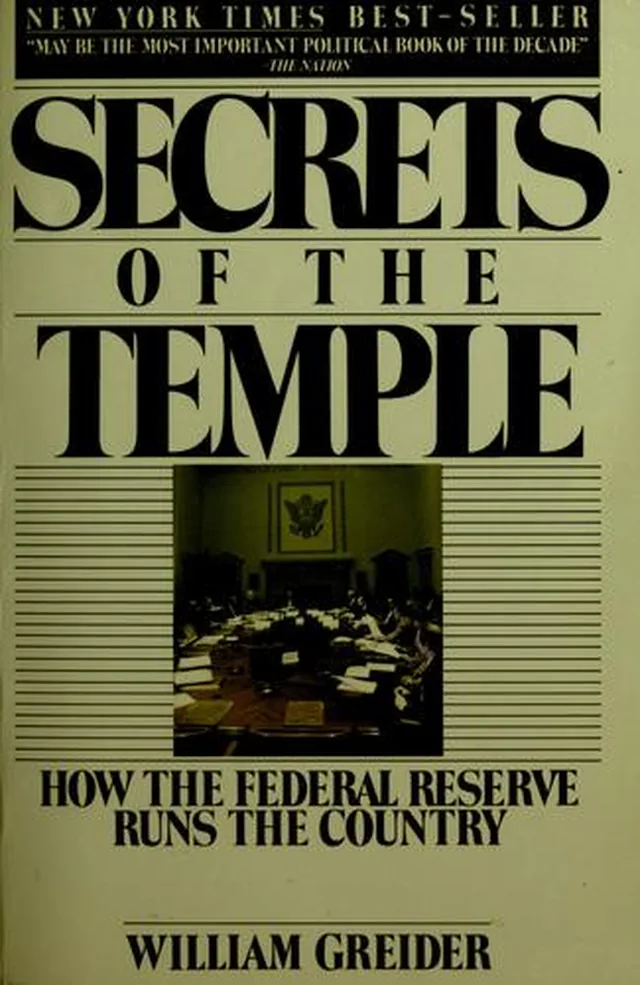
Dave's long-running nightstand book: a ~700-page inside history of the Paul Volcker-era Federal Reserve, published around 1987. He values it as history from people who were there, not as a hit piece.
Book by William Greider. He's too bright for The Washington Post. I think it was published in maybe 1990 or 91. It's about the Paul Volcker Federal Reserve.
Book by William Greider. He's too bright for The Washington Post. I think it was published in maybe 1990 or 91. It's about the Paul Volcker Federal Reserve.
Speaker-labeled
Not in the audio. Full subtitle and 1987 publication year are from outside knowledge; on air Dave guessed 1990/91. 'He's too bright for The Washington Post' is a transcription garble (likely 'he wrote for').
And I love books like this, because it was written. It was written in like 1991. So this historical perspective from this completely unpolluted by any modern politics
I'm not reading it for incredibly harsh criticism of the Federal Reserve it's really history to me like I want to hear what was going on at the time from somebody who was there
on my nightstand right now I've got a still got the secrets of this simple will be on the nightstand for at least another year because it's 700 pages.
Speaker-labeled
Speaker-labeled
Not in the audio. Full subtitle and 1987 publication year are from outside knowledge; on air Dave guessed 1990/91. 'He's too bright for The Washington Post' is a transcription garble (likely 'he wrote for').
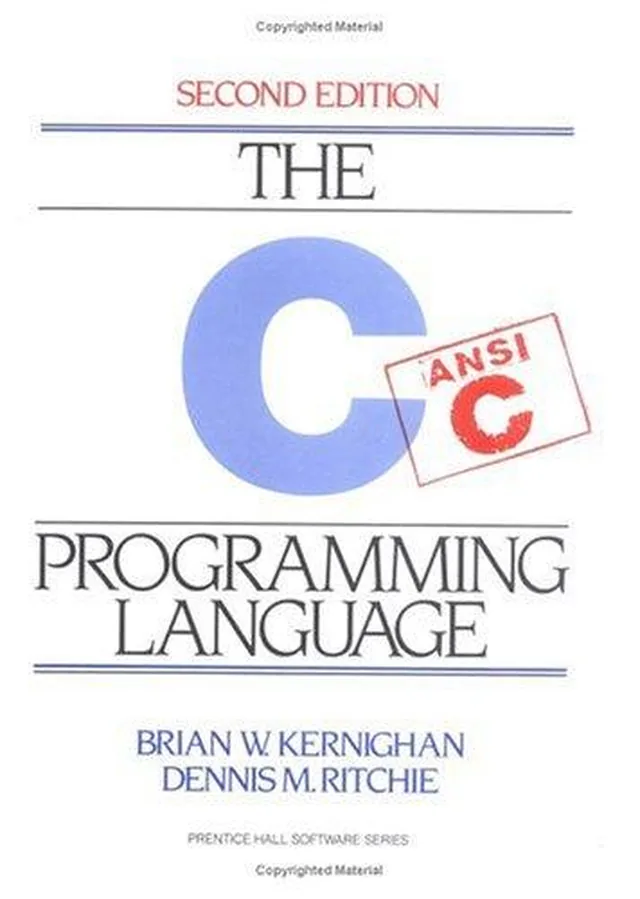
Dave's example of learning from the original source: to learn C, get Kernighan and Ritchie's The C Programming Language, the earliest form of the technology, then move forward from there.
You go back and you get a copy of the C programming language by Kernighan and Ritchie or Java.
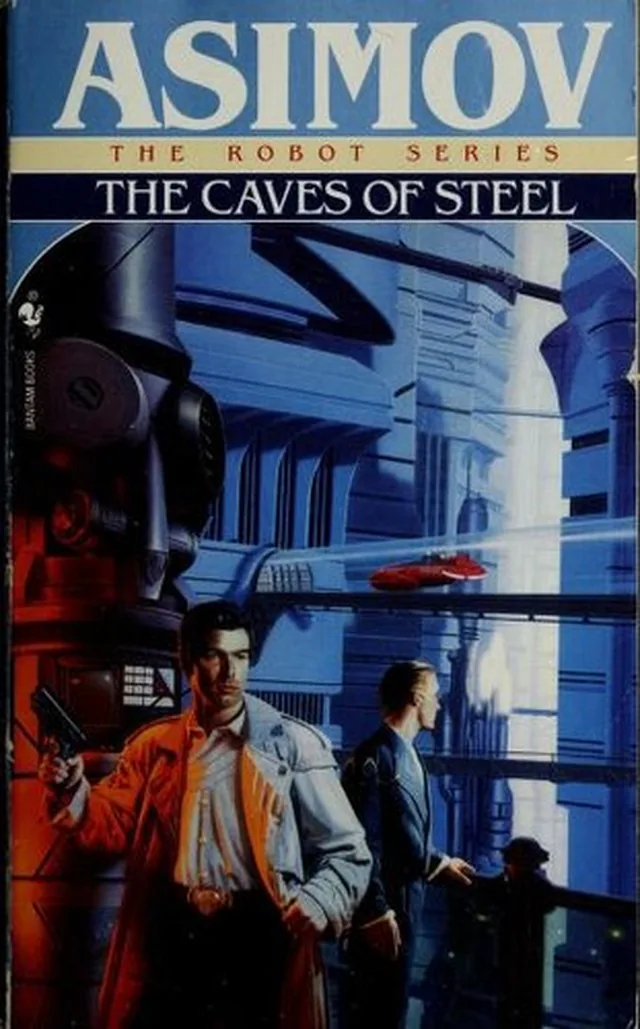
Dave uses Asimov's novel as a metaphor for the podcast industry. In the book, humanity lives its whole life in domed mega-cities and panics at the thought of open sky. The industry is so used to silos and walled gardens that it doesn't know how to think about open source and suspects an ulterior motive.
If you have either of y'all read the book, caves of steel, by Isaac Asimov.
Dave had just finished it and called it a great book about the 1893 Chicago World's Fair.
Do you know the book Devil in the White City? No, I don't just finished reading that about three weeks ago. Great book about the world, the Chicago World's Fair of 1893
Do you know the book Devil in the White City? No, I don't just finished reading that about three weeks ago. Great book about the world, the Chicago World's Fair of 1893
Speaker-labeled
Not in the audio. Author (Erik Larson) inferred; not named on air.
Speaker-labeled
Not in the audio. Author (Erik Larson) inferred; not named on air.
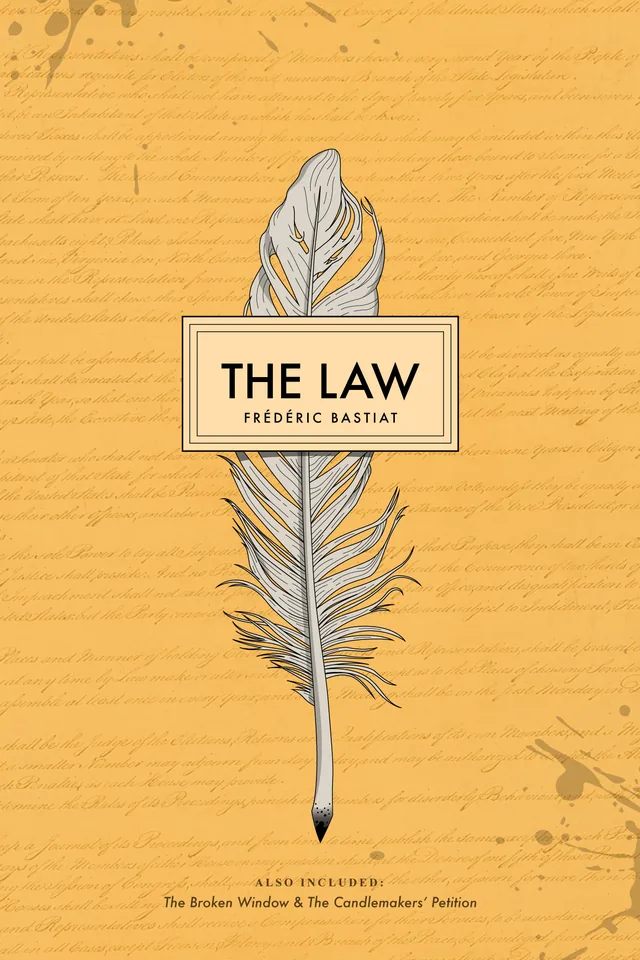
Dave called it a fantastic, very short book. Its premise: if something is immoral for one person to do, it doesn't become moral when a group (or government) does it.
the law is a fantastic thing is a very short book. And his basic premise is very easy to construe. His premise is that if it's not moral for you, for you, as a person to do it, to do a thing, then that thing doesn't become moral, because you get a bunch of friends together and do it as a group.
the law is a fantastic thing is a very short book. And his basic premise is very easy to construe. His premise is that if it's not moral for you, for you, as a person to do it, to do a thing, then that thing doesn't become moral, because you get a bunch of friends together and do it as a group.
Speaker-labeled
Not in the audio. Dave dated Bastiat to the 1870s-80s; The Law was actually published in 1850 (outside knowledge).
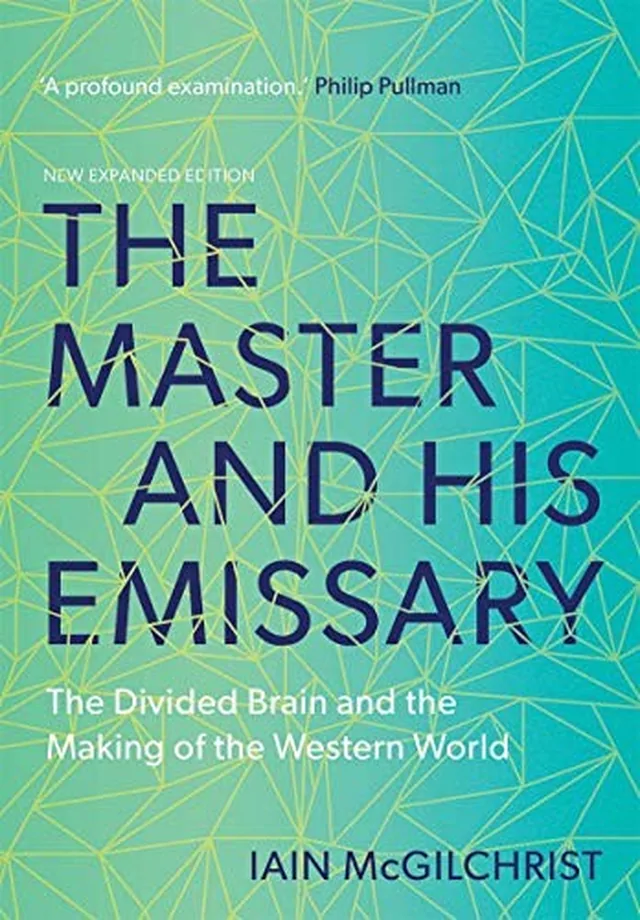
Dave was reading McGilchrist's book on the brain's left and right hemispheres and used it to frame LLMs: we've built a standalone left hemisphere with no right hemisphere to keep it in check. He calls it the accessible, condensed version of McGilchrist's larger work, a page-turner, and says the Audible narration is very good.
Ian McGilchrist. And it's about the hemisphere, the brain hemispheres,
Ian McGilchrist. And it's about the hemisphere, the brain hemispheres,
Voice-matched
Not in the audio. The title 'The Master and His Emissary' is spoken in an adjacent Unknown-labeled cue (01:10:07). Context confirms Dave is the reader: Adam later asks him for the book's name. The quoted cue is a lone Dave cue, kept after that context check.
It's called The Master and His Emissary by Ian McGilchrist.
Voice-matched
Voice-matched
Not in the audio. The title 'The Master and His Emissary' is spoken in an adjacent Unknown-labeled cue (01:10:07). Context confirms Dave is the reader: Adam later asks him for the book's name. The quoted cue is a lone Dave cue, kept after that context check.
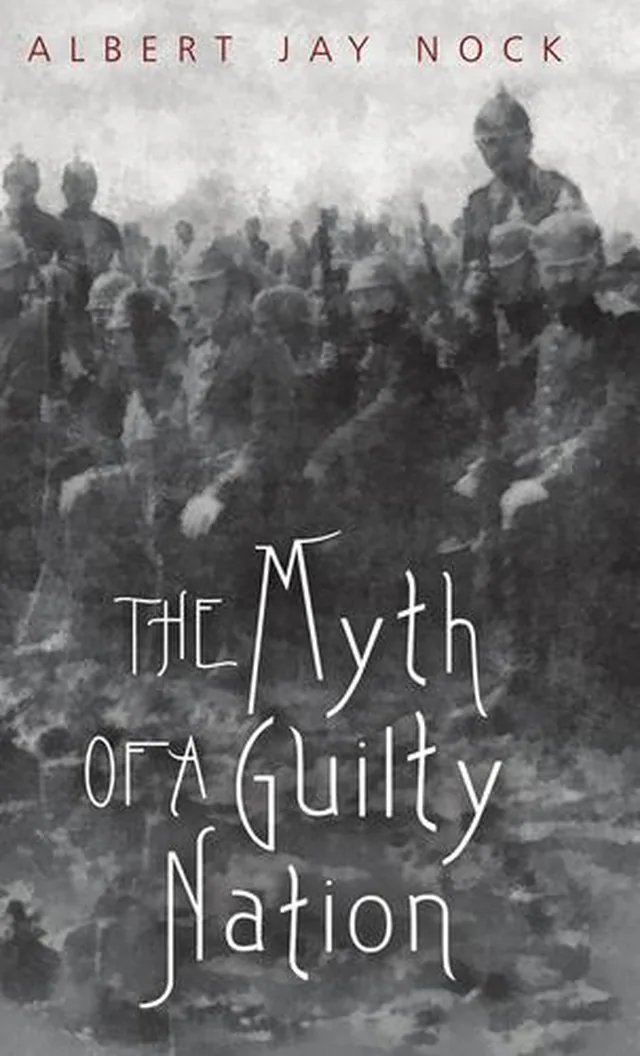
Discussing deplatforming over Russia, Dave recommends this book by revisionist historian Albert Jay Nock, written after World War I. It debunks wartime propaganda that vilified Germany as a whole nation. Dave's point: war propaganda always paints every man, woman and child of a nation as evil, which is one thing decentralization protects citizens against.
And with this book by Albert J. nock, called the myth of a guilty nation. It's about Germany, and describing how the West had taken Germany and vilified the entire nation as a block.
And with this book by Albert J. nock, called the myth of a guilty nation. It's about Germany, and describing how the West had taken Germany and vilified the entire nation as a block.
Voice-matched
Not in the audio. Transcript spells the author 'Albert J. nock'; standard spelling is Albert Jay Nock (book published 1922).
Voice-matched
Not in the audio. Transcript spells the author 'Albert J. nock'; standard spelling is Albert Jay Nock (book published 1922).
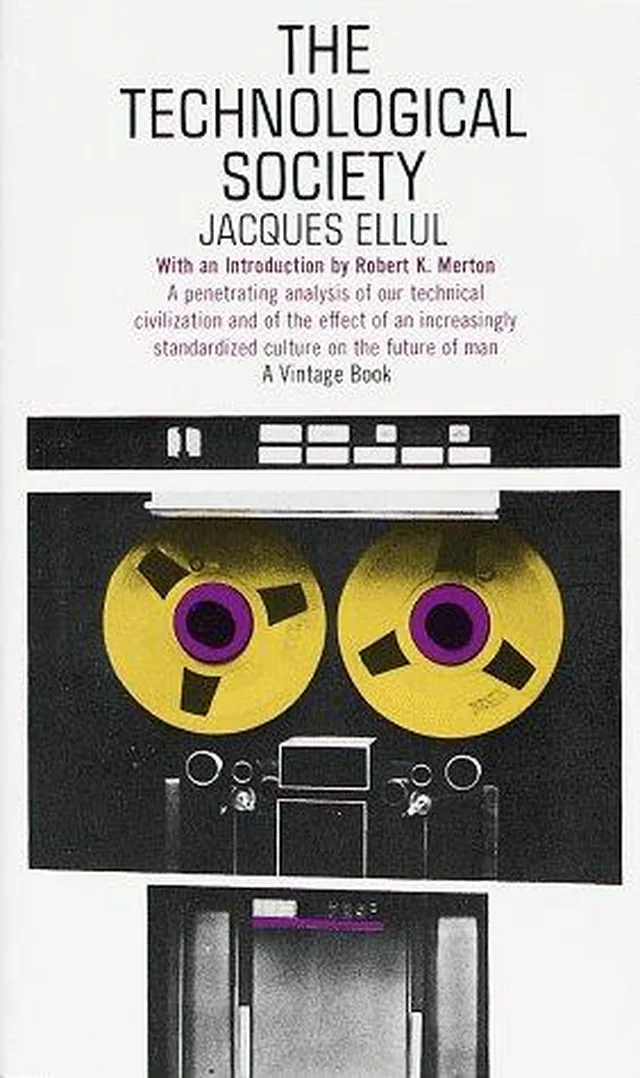
Dave called it a great, dense, big book and highlighted it heavily. It inspired his idea for a podcast of short readings of the best passages, and he applies Ellul's critique of 'technique' to podcasting.
I just finished the technological society by Chaka law. Great book, Fantastic book, big book. And as I'm reading these books, I highlight a lot a markup a lot.
I just finished the technological society by Chaka law. Great book, Fantastic book, big book. And as I'm reading these books, I highlight a lot a markup a lot.
Speaker-labeled
Not in the audio. Author spelling corrected (transcribed 'Chaka law'/'Aaloo').
I believe that that there's trade offs with a lot of this technology and maybe I'm, I'm still deep in the weeds on technological society, the Juggalo book,
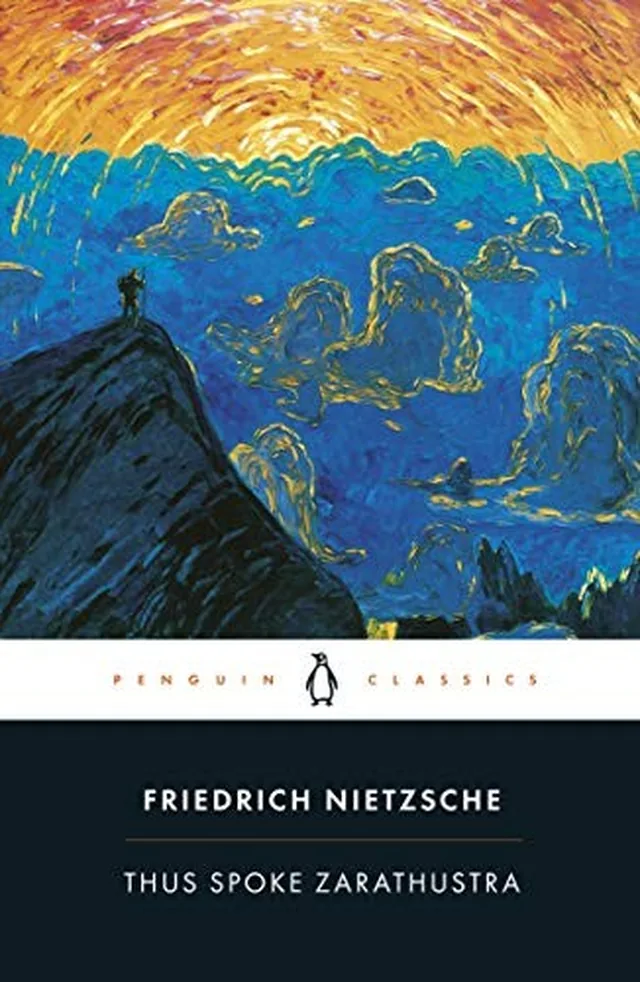
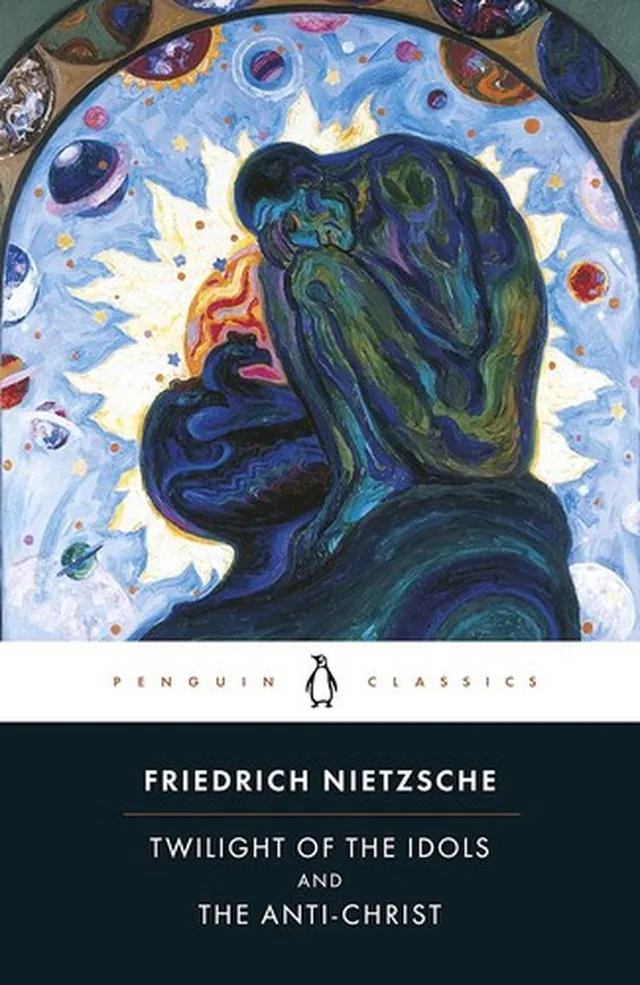
Answering a listener, Dave passed on his Nietzsche-scholar friend's advice: read Thus Spoke Zarathustra for Nietzsche's mature philosophy, and The Antichrist to see how far off the rails he went.
the two books you want do you want to read from Frederick Naisha are this book there's Zarathustra? That his his his this is what I was told by my friend who is a Nietzsche scholar. That is that book displays his his mature philosophical thought.
the two books you want do you want to read from Frederick Naisha are this book there's Zarathustra? That his his his this is what I was told by my friend who is a Nietzsche scholar. That is that book displays his his mature philosophical thought.
Speaker-labeled
Not in the audio. Book titles normalized from transcript ('this book there's Zarathustra', 'the Antichrist'); advice was relayed from Dave's friend.
Speaker-labeled
Not in the audio. Book titles normalized from transcript ('this book there's Zarathustra', 'the Antichrist'); advice was relayed from Dave's friend.
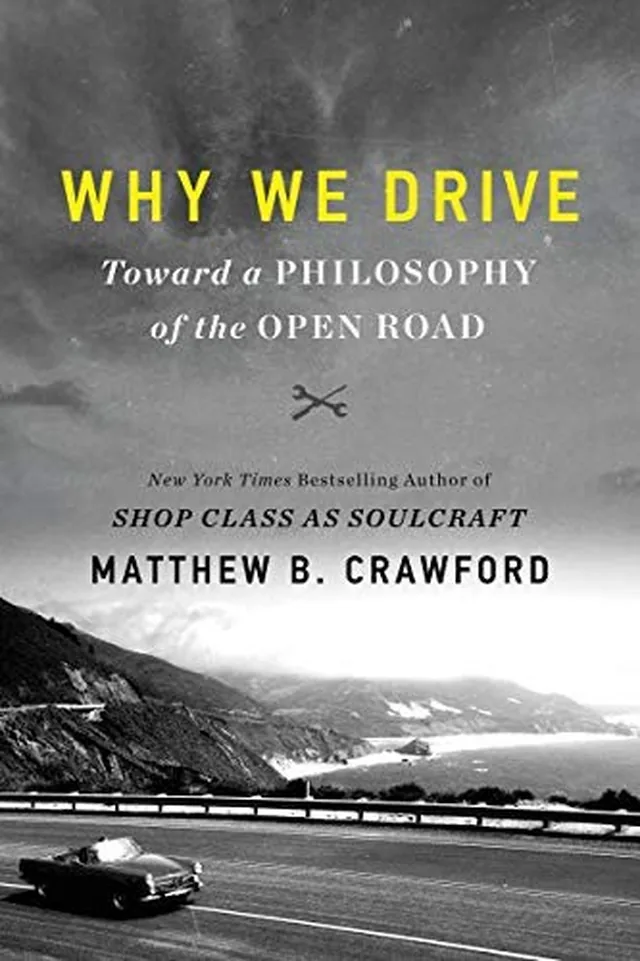
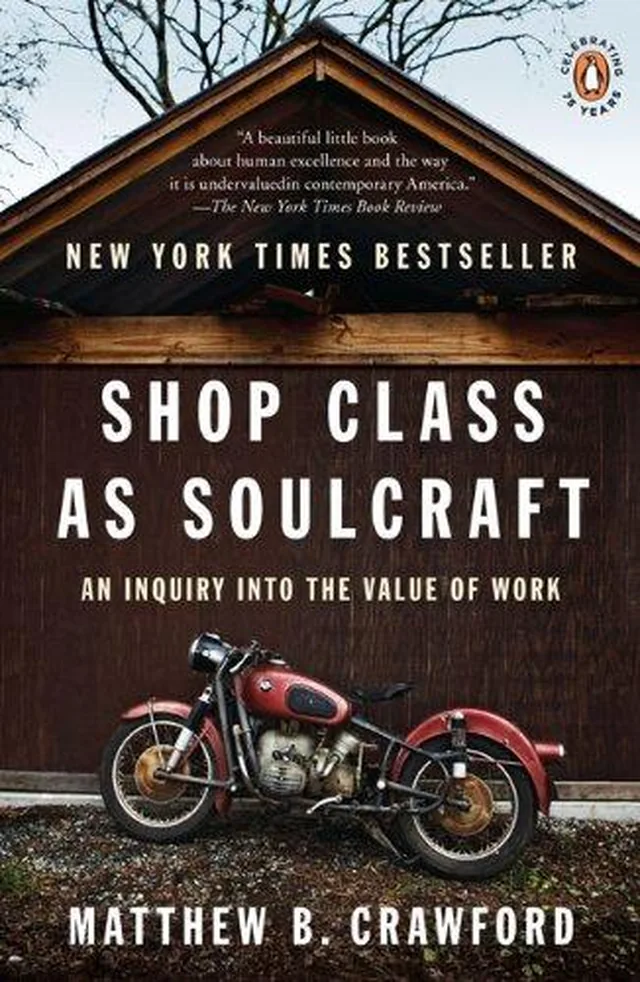
Dave was reading Why We Drive, by gearhead philosopher Matthew Crawford, whose best-known work is Shop Class as Soulcraft. He liked Crawford's critique of tech 'futurism'.
shop craft is SoulCraft is his big work. But he also wrote a book called Why We drive which is a car book. He's a gearhead.